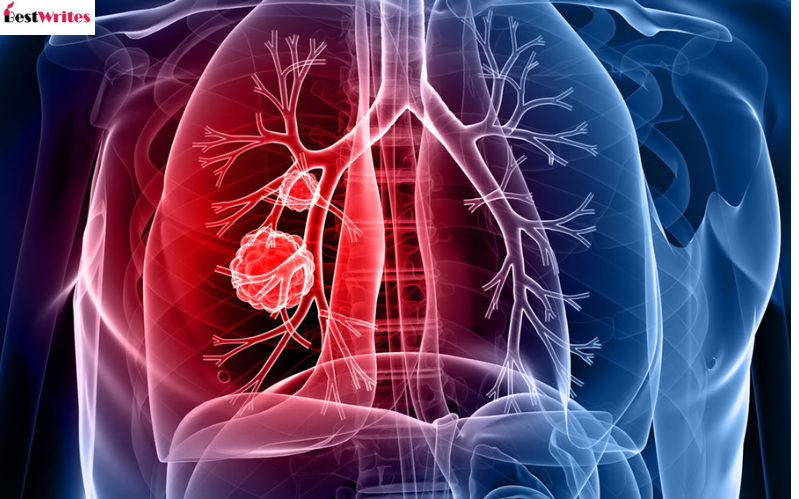
Lung cancer remains one of the most serious and deadly diseases in the world. Yet, with advances in medical imaging and preventive care, Early detection through lung cancer screening is saving more lives than ever before.
To make sure screenings are adequately recorded and covered by insurance, doctors use a universal coding system called ICD-10. This guide explains how lung cancer screening works, what the ICD-10 codes mean, and how they help patients get the care they need.
🩹 What Is Lung Cancer Screening?
Lung cancer screening is a medical test that checks for signs of cancer before symptoms begin. The most common test is a Low-Dose Computed Tomography (LDCT) scan.
This scan uses a minimal amount of radiation to take detailed images of your lungs. It can detect small nodules or spots that might later develop into cancer. The scan itself is fast, safe, and painless — usually completed in less than 10 minutes.
Screening helps find lung cancer early, when treatment works best and survival rates are highest.
🫁 Why ICD-10 Codes Are Used
Every hospital, clinic, and doctor’s office uses a global system known as the International Classification of Diseases, 10th Revision (ICD-10). These codes identify diseases, medical procedures, and reasons for visits.
For lung cancer screening, ICD-10 codes play several key roles:
- They explain why the screening is being done (preventive vs. diagnostic).
- They ensure insurance coverage for eligible patients.
- They allow for accurate medical records and reporting.
- They help researchers study screening trends and outcomes.
Without the correct codes, insurance claims might be denied, or the screening might not be adequately documented.
💡 Main ICD-10 Codes for Lung Cancer Screening
When a doctor orders a lung cancer screening, they must select the proper ICD-10 code that fits the situation.
The primary ICD-10 code for a lung cancer screening visit is Z12.2, which means “Encounter for screening for malignant neoplasm of respiratory organs.” This code clearly tells insurance providers that the patient came for a screening, not because of symptoms.
If the patient is a current smoker, another code like F17.210 (“Nicotine dependence, cigarettes, uncomplicated”) is added. This secondary code shows smoking is a risk factor.
If the patient is a former smoker, doctors use Z87.891 (“Personal history of nicotine dependence”). This indicates that although the patient no longer smokes, their history still puts them at higher risk.
When a scan detects something unusual, such as a small lung nodule, doctors may use R91.1 (“Solitary pulmonary nodule”) for follow-up testing.
If cancer is later confirmed, a specific code from the C34 category (for lung and bronchus cancer) will be used to describe the exact site and type of tumour.
Accurate ICD-10 coding ensures the patient’s screening results and follow-up care are recorded clearly.
⚕️ Screening Guidelines You Should Know
According to the U.S. Preventive Services Task Force (USPSTF) and major health organisations, lung cancer screening is recommended for:
- Adults 50 to 80 years old
- Individuals with a 20 pack-year smoking history (for example, one pack a day for 20 years)
- People who currently smoke or quit within the past 15 years
Screening is typically done once a year using a low-dose CT scan. Those who have not smoked heavily or have other serious health issues may not need this screening.
These guidelines help identify people who will benefit most from early detection and preventive care.
💰 Insurance Coverage and ICD-10 Documentation
Insurance coverage for lung cancer screening depends heavily on accurate ICD-10 coding. Most major health plans, including Medicare, cover annual LDCT scans for eligible patients who meet USPSTF criteria.
For smooth processing and coverage approval, the documentation should include:
- Z12.2 as the primary code (reason for screening)
- F17.210 or Z87.891 as supporting codes for smoking history
Correct coding reduces claim denials and ensures patients don’t face unnecessary out-of-pocket expenses.
🌿 The Importance of Accurate Medical Coding
Accurate ICD-10 coding isn’t just about paperwork — it supports high-quality patient care. It allows doctors to track risk factors, ensure screenings happen regularly, and provide appropriate follow-up when needed.
Healthcare systems also rely on this data to measure screening success rates and design better public health programs to prevent lung cancer deaths.
At Best Writes Links, accurate, simple information helps patients and providers work together for better outcomes. Understanding how ICD-10 codes support lung cancer screening can make a big difference in your healthcare journey.
🧠 Final Thoughts
Lung cancer screening saves lives by catching cancer early. But the process depends on careful documentation and the correct use of ICD-10 codes like Z12.2, F17.210, and Z87.891.
With precise coding, healthcare providers ensure that patients receive the proper care, insurance covers the costs, and public health data stays accurate.
At Best Writes Links, we’re dedicated to sharing trusted medical insights that make complex topics easy to understand. Remember — early detection starts with screening, and screening begins with the correct code.